Bradshaw European Plum Bareroot
History: Despite once being the most commonly planted commercial plum tree in New York, Bradshaw's origins are quite hazy. It is uncertain whether the variety even originated in Europe or the US. It was named in 1846 by C.M. Hovey who wrote about it in his "Magazine of Horticulture," naming the variety "Bradshaw" after an E.E. Bradshaw who had exhibited excellent specimens of the fruit for several years. Bradshaw has since been eclipsed by other plum varieties.
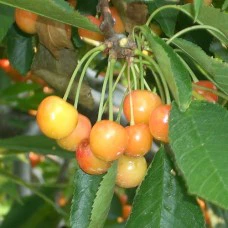
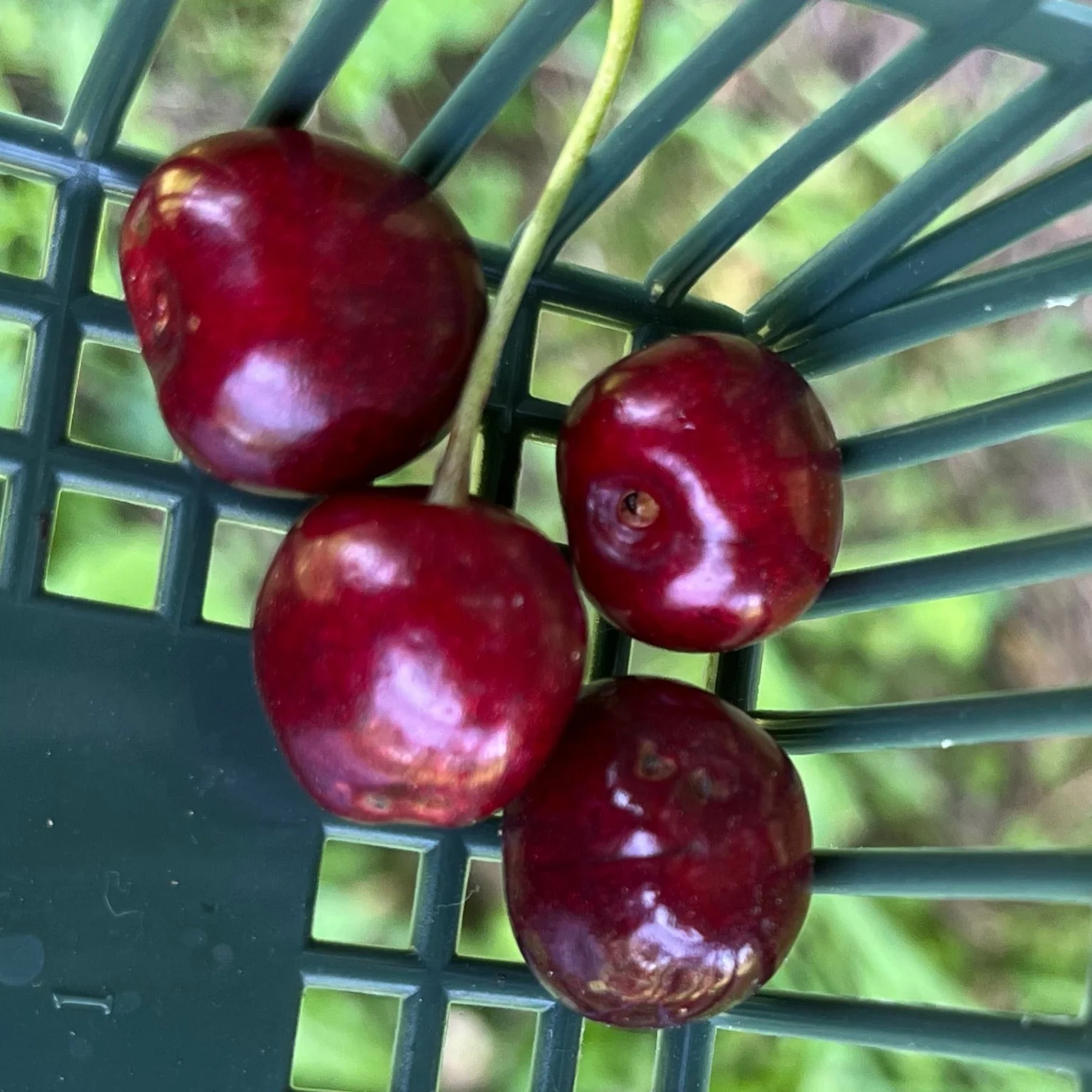
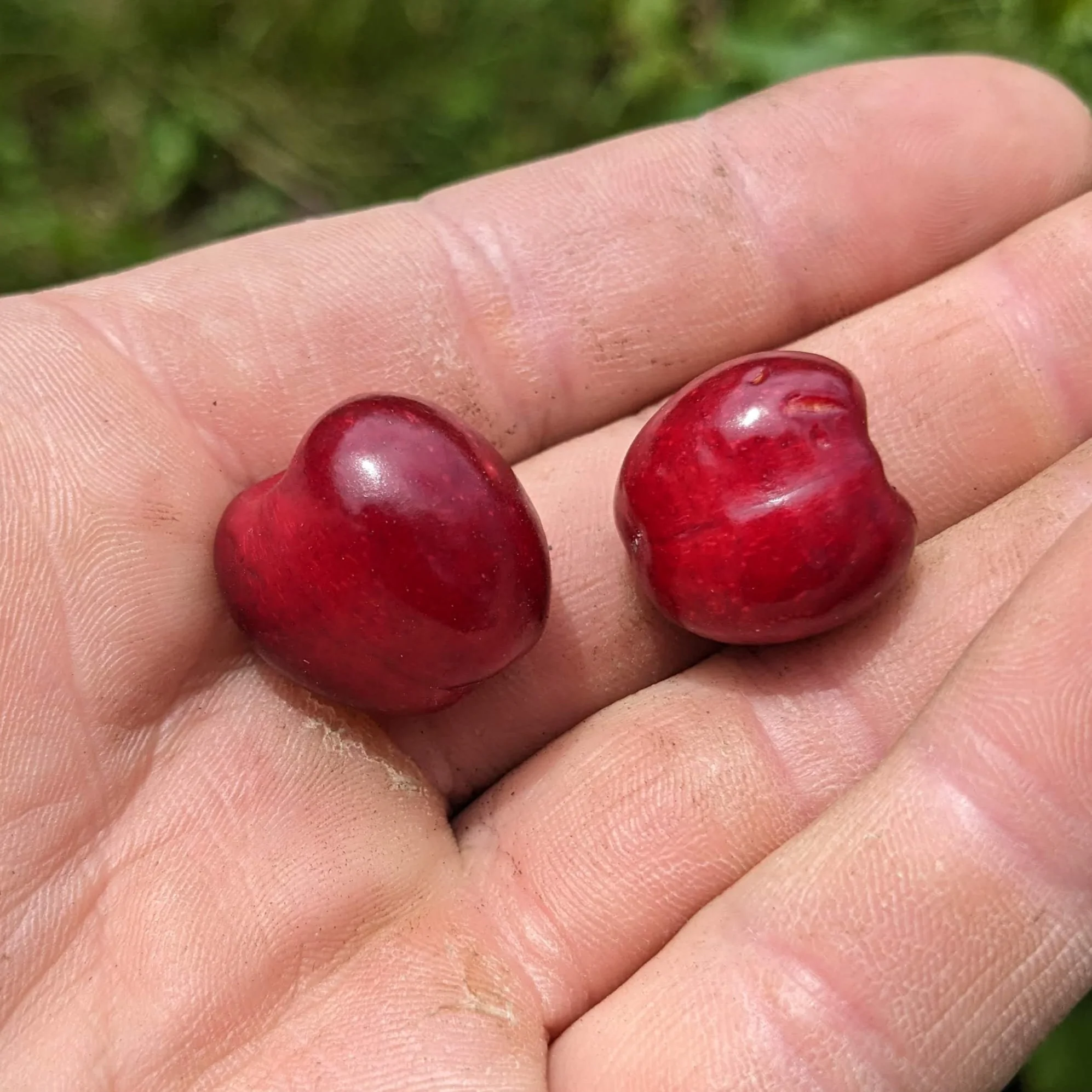
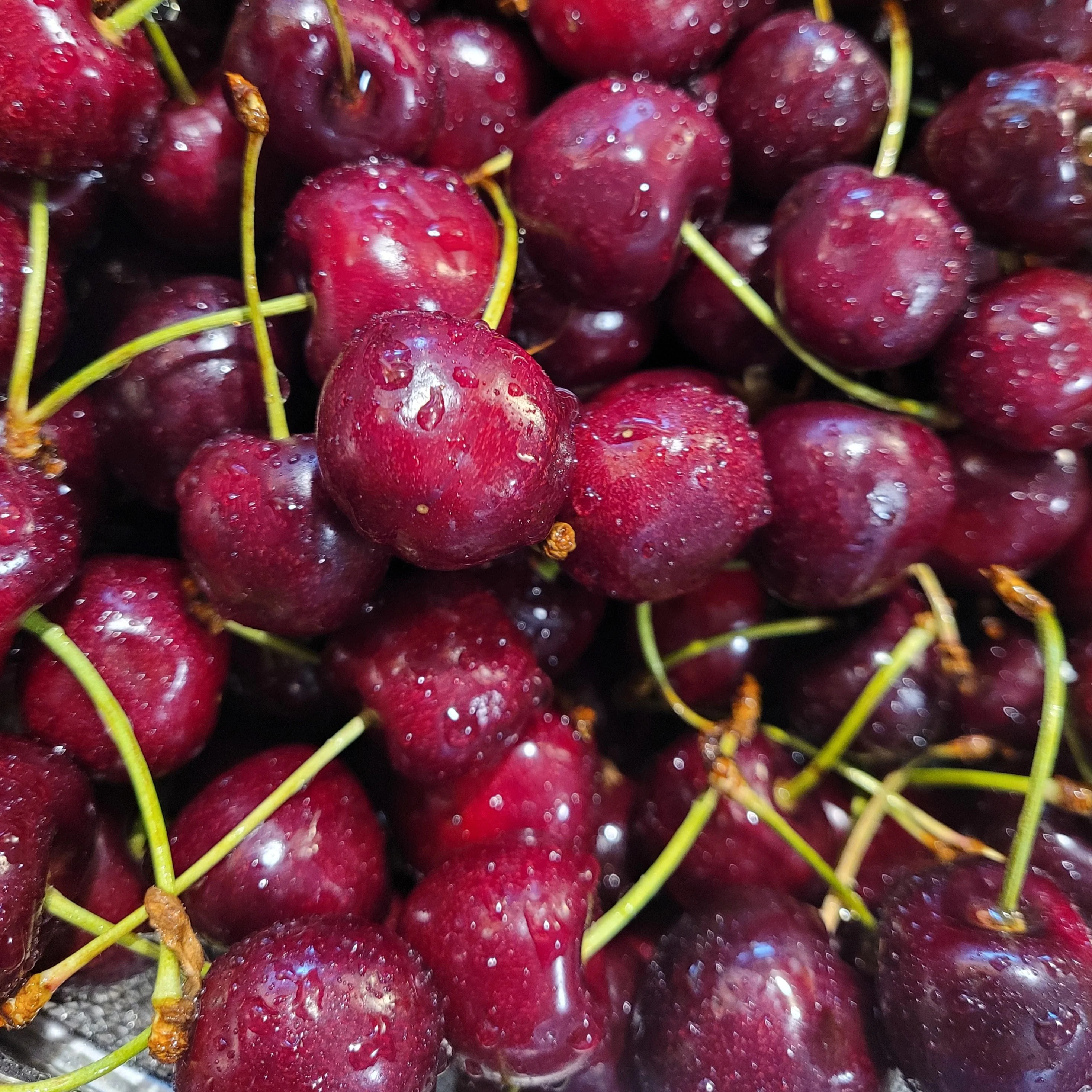
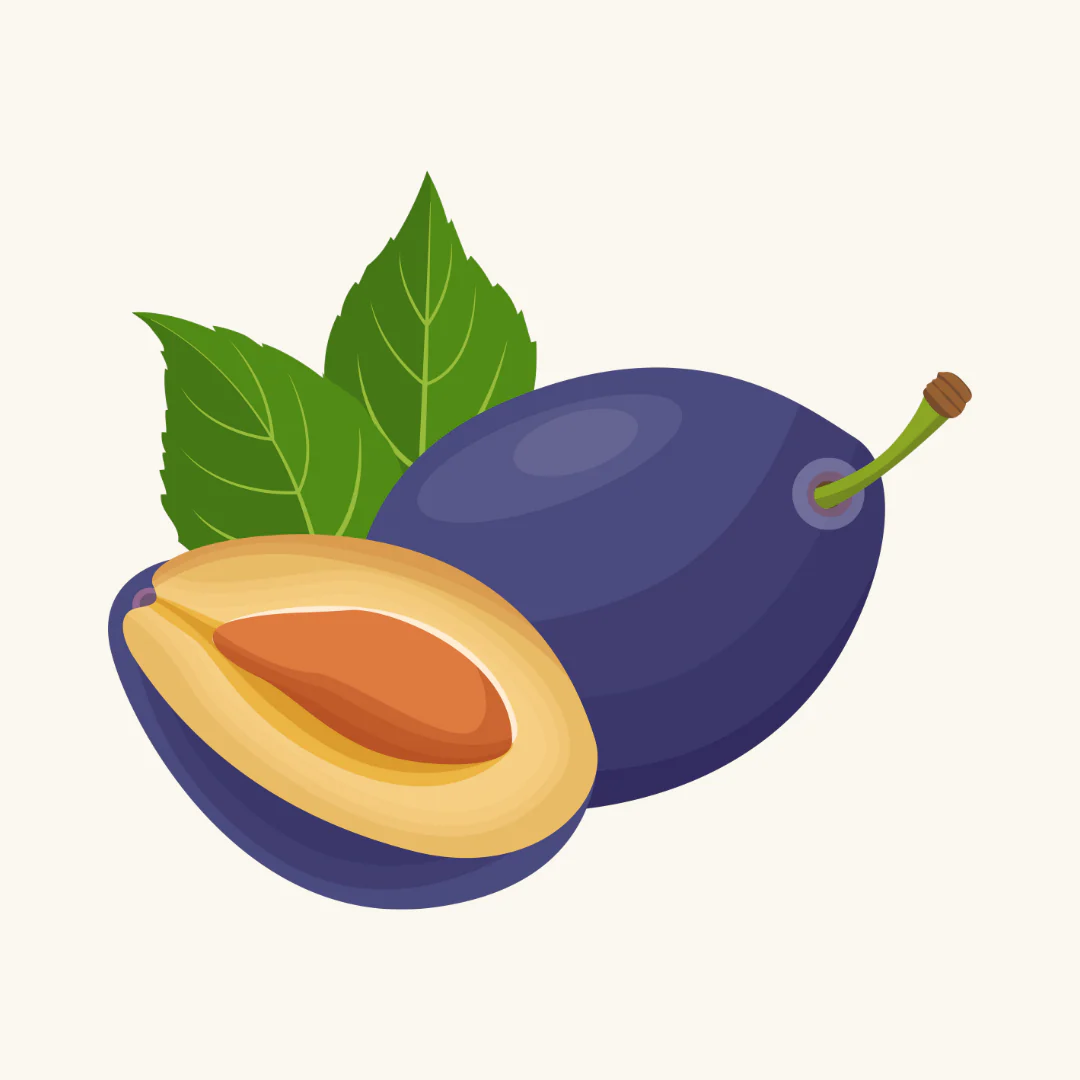
Why We Grow It: Bradshaw produces relatively large purplish-red plums of good quality. The flavour is pleasantly sweet and the variety is good for fresh eating and likely cooking and processing like other European plums. It is semi-clingstone. The tree is self-fertile, productive, and quite hardy, although it can be slow to start bearing fruit.
Original: $34.25
-70%$34.25
$10.28Bradshaw European Plum Bareroot
History: Despite once being the most commonly planted commercial plum tree in New York, Bradshaw's origins are quite hazy. It is uncertain whether the variety even originated in Europe or the US. It was named in 1846 by C.M. Hovey who wrote about it in his "Magazine of Horticulture," naming the variety "Bradshaw" after an E.E. Bradshaw who had exhibited excellent specimens of the fruit for several years. Bradshaw has since been eclipsed by other plum varieties.
Why We Grow It: Bradshaw produces relatively large purplish-red plums of good quality. The flavour is pleasantly sweet and the variety is good for fresh eating and likely cooking and processing like other European plums. It is semi-clingstone. The tree is self-fertile, productive, and quite hardy, although it can be slow to start bearing fruit.
Product Information
Product Information
Shipping & Returns
Shipping & Returns
Description
History: Despite once being the most commonly planted commercial plum tree in New York, Bradshaw's origins are quite hazy. It is uncertain whether the variety even originated in Europe or the US. It was named in 1846 by C.M. Hovey who wrote about it in his "Magazine of Horticulture," naming the variety "Bradshaw" after an E.E. Bradshaw who had exhibited excellent specimens of the fruit for several years. Bradshaw has since been eclipsed by other plum varieties.
Why We Grow It: Bradshaw produces relatively large purplish-red plums of good quality. The flavour is pleasantly sweet and the variety is good for fresh eating and likely cooking and processing like other European plums. It is semi-clingstone. The tree is self-fertile, productive, and quite hardy, although it can be slow to start bearing fruit.